DG Series — Intelligent Concrete Temperature Control System
Custom Logic Control · Semantic Alerts · Cloud Acceptance Reports
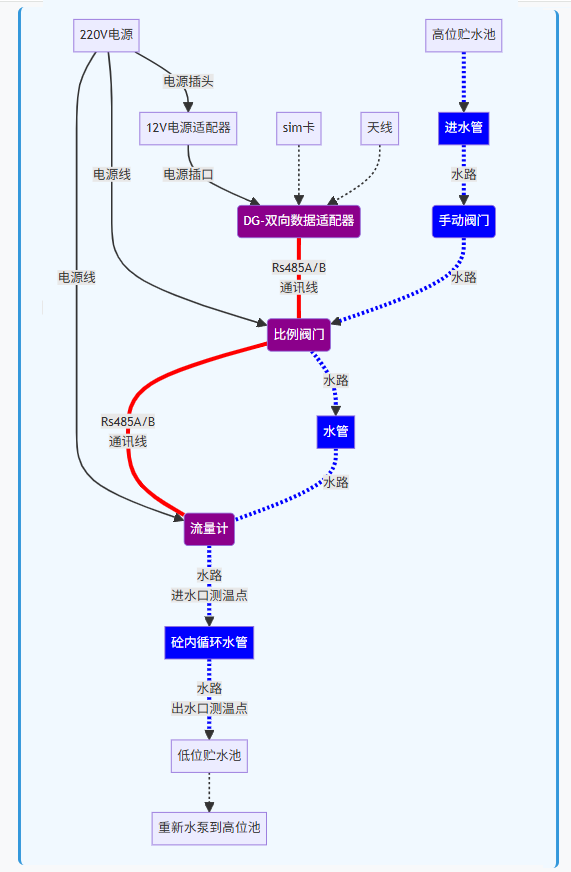
The DG Intelligent Temperature Control System is our flagship solution for mass concrete thermal management — it goes beyond measurement to deliver integrated measurement + automated control. Users define multi-variable logic rules (e.g. "if internal-external temperature difference >22°C AND heating rate >3°C/h, then activate cooling pump"), and the system semantically interprets and executes them automatically. Combined with the cloud data platform, the entire workflow — from sensor data acquisition and automated temperature control to acceptance report generation — runs without human intervention. Validated on mega projects such as the Hong Kong-Zhuhai-Macao Bridge, Shenzhen-Zhongshan Link, and Sichuan-Tibet Railway. Often, even a single DG unit per site can wirelessly manage 120+ measurement and control devices including thermometers, flow meters, VFDs, relays, solenoid valves, electric curing equipment, and alarms.
Key Features
- Integrated Measurement & Control: temperature acquisition + automated control of cooling pumps and curing equipment
- Multi-Variable Custom Logic: combine temperature differentials, heating rates, and time conditions with semantic rule execution
- Semantic Alerts: real-time WeChat + SMS notifications for temperature violations, abnormal heating rates, and device offline events
- Cloud Acceptance Reports: one-click generation of inspection data packages (temperature curves + statistics + code compliance)
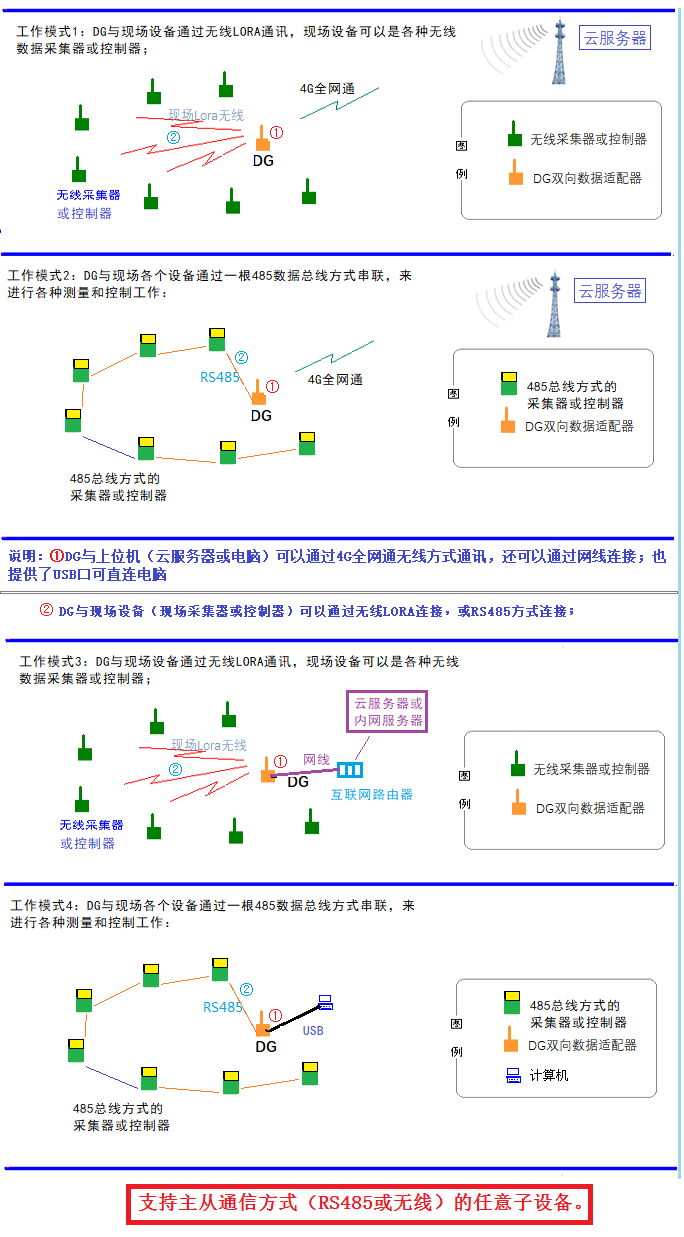
- 120+ Device Unified Management: hybrid RS485 wired + LoRa wireless connectivity, single unit controls entire site
- Large-Scale Collaboration: multiple DG units networked for projects of any size
- 24/7 Uninterrupted Operation: 220V mains powered, synchronized with site control systems
FAQ
What role does the DG bidirectional data adapter play in the monitoring system?
Note: The TG series is a dedicated cloud temperature monitoring terminal, forming a heterogeneous system with the DG adapter at the platform level, with full data interoperability. The platform can fuse TG temperature data with DG sub-device operating parameters for comprehensive computation, and issue control commands via DG. Example: When the cooling rate of the concrete core temperature in a given zone drops below 2°C/day, the platform automatically sends a command to reduce the circulating pump VFD frequency to 80% of its current value.
How many nodes can a single DG adapter manage?
What is the field-side wireless transmission range of the DG bidirectional data adapter?
How is the DG bidirectional data adapter powered?
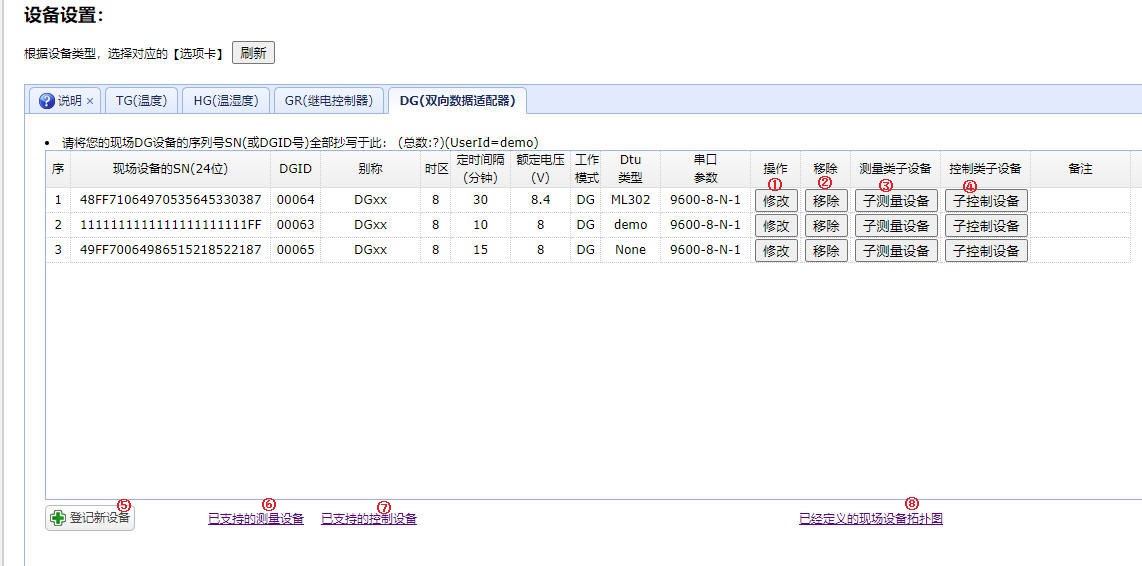
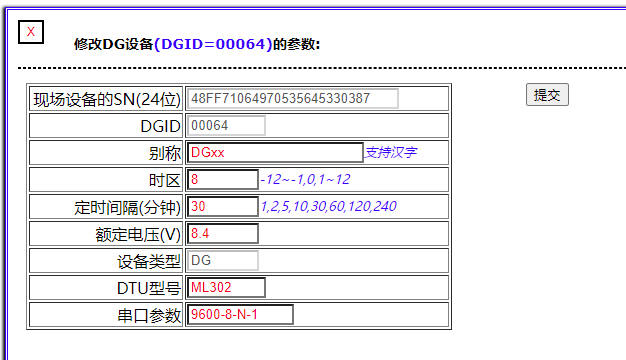
How is the DG bidirectional data adapter installed and configured?
If the cloud platform needs to control on-site sub-control equipment via DG, it typically requires combining temperature data from TG and other systems with DG-collected data such as flow, current VFD frequency, solenoid valve status, etc. to compute and generate control commands. Our technical staff will handle this — you only need to provide clear requirements.
Is the communication between DG and RF stable?
Does the DG support firmware upgrades?
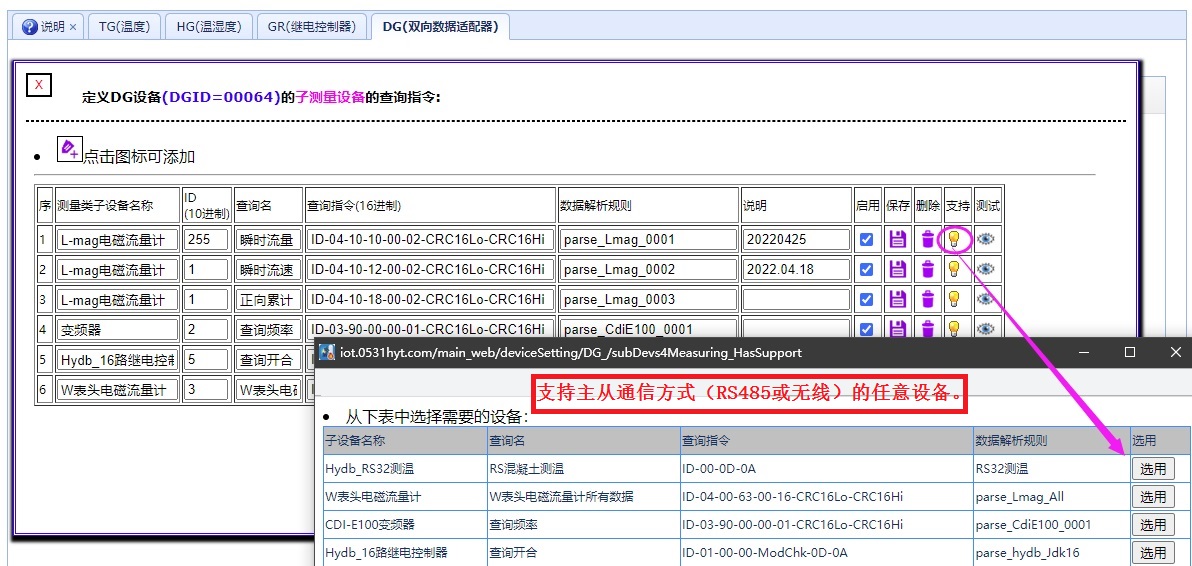
How does the DG connect to on-site sub-measurement and sub-control devices?
On-site sub-control devices connected to DG include: VFDs (switching to a specified operating frequency per command), motorized proportional ball valves (switching to a specified opening per command), relay groups (switching to specified states per command), etc.;
The DG connects to its sub-devices in two ways: ① 433MHz wireless — DG sends data wirelessly to sub-devices; ② Wired — DG connects to sub-devices via RS485 bus. Wireless is ideal when cabling is impractical; wired suits shorter distances requiring high reliability.
How many DG adapters does a site need?
① Typically, one DG can often handle an entire site; ② When sub-devices are widely dispersed, consider adding more DG units. We provide free solution design to determine the optimal configuration for your project.
Interested in this product?
Contact us for detailed specifications, pricing, and technical support.
Contact Us